Why Systems Fail When They Ignore Energy, Biology, and Human Limits
Introduction — The Problem With “Perfect Systems”
Modern advice around habits, productivity, and self-improvement often revolves around systems. Morning routines, optimization frameworks, productivity stacks, habit trackers — all presented as neutral tools designed to help people perform better over time.
Yet despite their popularity, most systems quietly fail.
Not because people lack discipline, intelligence, or motivation — but because these systems are designed around an unrealistic assumption: that human capacity is stable, predictable, and endlessly renewable.
In reality, human behavior operates within biological limits. Energy fluctuates. Cognitive bandwidth contracts and expands. Stress accumulates. Recovery is uneven. When systems ignore these realities, consistency becomes fragile, and breakdown is interpreted as personal failure rather than structural mismatch.
This article examines why so many systems collapse under real-life conditions — and why sustainable systems must be designed around energy, biology, and human limits, not ideals.
What We Mean by “Systems” (And What Most People Get Wrong)
A system is not a routine.
A routine is a sequence of actions. A system is the structure that makes certain behaviors easier, more likely, or more repeatable over time.
Systems include:
- How tasks are organized
- How energy is allocated
- How friction is reduced or increased
- How failure is absorbed
Most popular frameworks treat systems as neutral containers — assuming that if the structure is correct, behavior will follow.
This is rarely true.
Systems Are Not Neutral
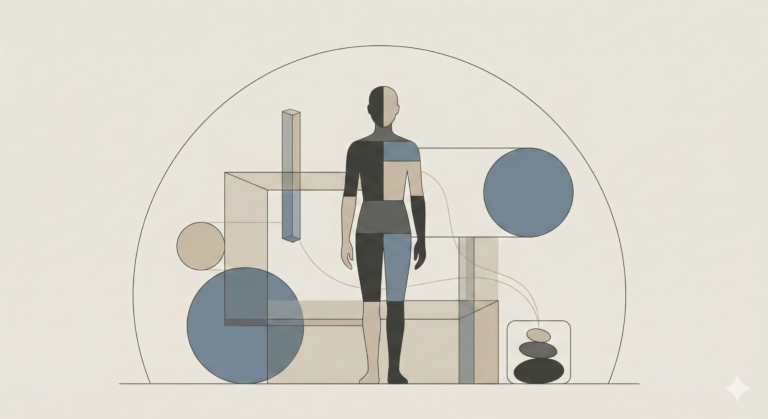
Every system makes implicit assumptions about the human operating it.
Most assume:
- Stable energy levels
- Predictable focus
- Minimal biological disruption
- Continuous recovery
When these assumptions hold, the system feels “effective.”
When they don’t, the same system becomes oppressive.
This is why many people can follow a system flawlessly for weeks — sometimes months — and then suddenly abandon it entirely.
The system didn’t stop working.
The human capacity it relied on changed.
EnEnergy Is the Hidden Variable in Every System
Energy is often discussed as motivation or mindset. In practice, it is capacity.
Energy determines:
- How much effort feels tolerable
- How much friction can be absorbed
- How many decisions can be sustained
Energy is not constant. It varies daily, seasonally, hormonally, and across life stages.
Ignoring this fact forces systems to rely on discipline as a compensatory mechanism — asking willpower to override biology.
This is why many people experience chronic exhaustion while “doing everything right.” The system demands output without accounting for capacity.
This dynamic is explored in depth in Why Modern Men Feel Chronically Low on Energy — And Why Discipline Isn’t the Problem, where low energy is shown to be a structural constraint, not a moral one.
When habits repeatedly collapse under these conditions, the issue is rarely a lack of commitment. More often, routines are built on assumptions that ignore fluctuating energy and biological limits — a pattern examined in Why Most Habits Fail — And How to Build Routines That Actually Stick.
Biological Capacity Comes Before Discipline
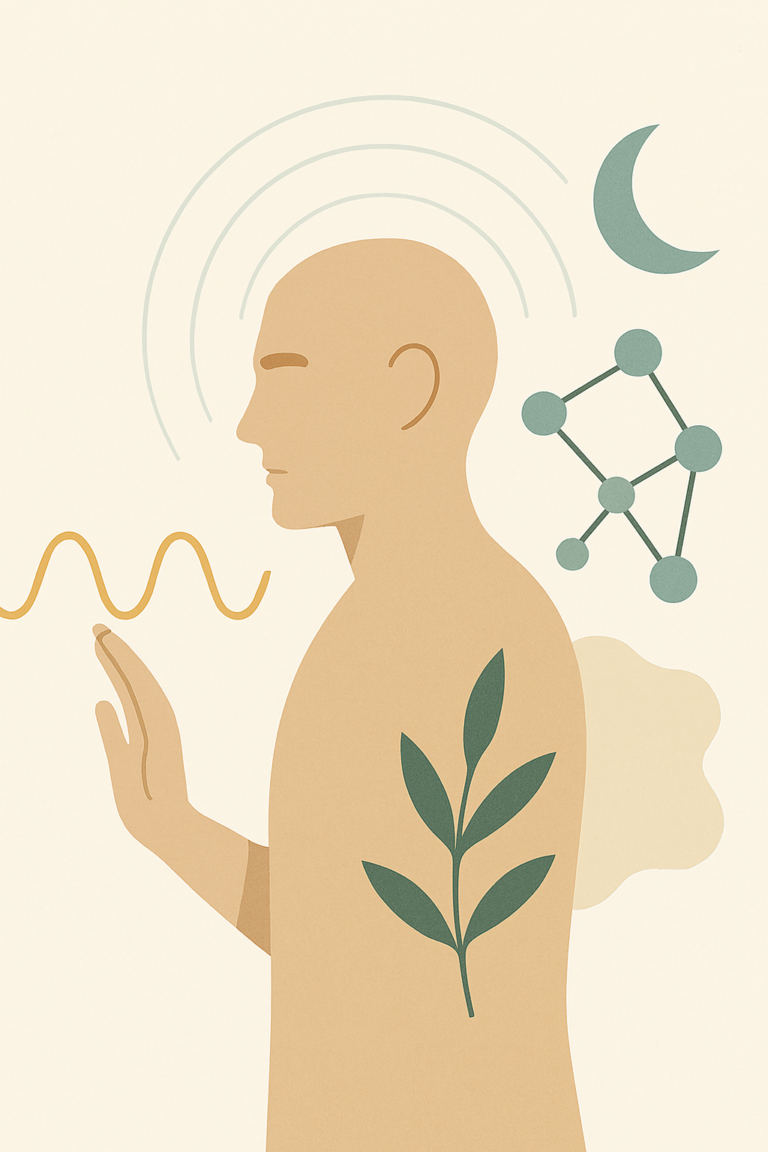
Biology sets the ceiling for sustainable effort.
Sleep quality, stress exposure, circulation, and hormonal balance directly influence how much energy is available for behavior.
When systems ignore these factors, they:
- Overestimate daily capacity
- Underestimate recovery needs
- Interpret fatigue as resistance
The relationship between energy, circulation, hormones, and sustained effort is further examined in How Blood Flow and Hormonal Balance Affect Male Sexual Health
A system that depends on constant override is not robust.
It is fragile by design.
Why Rigid Systems Break Under Real Life
Rigid systems feel powerful because they remove ambiguity.
They promise certainty:
- Fixed routines
- Non-negotiable rules
- Daily targets
This works — temporarily.
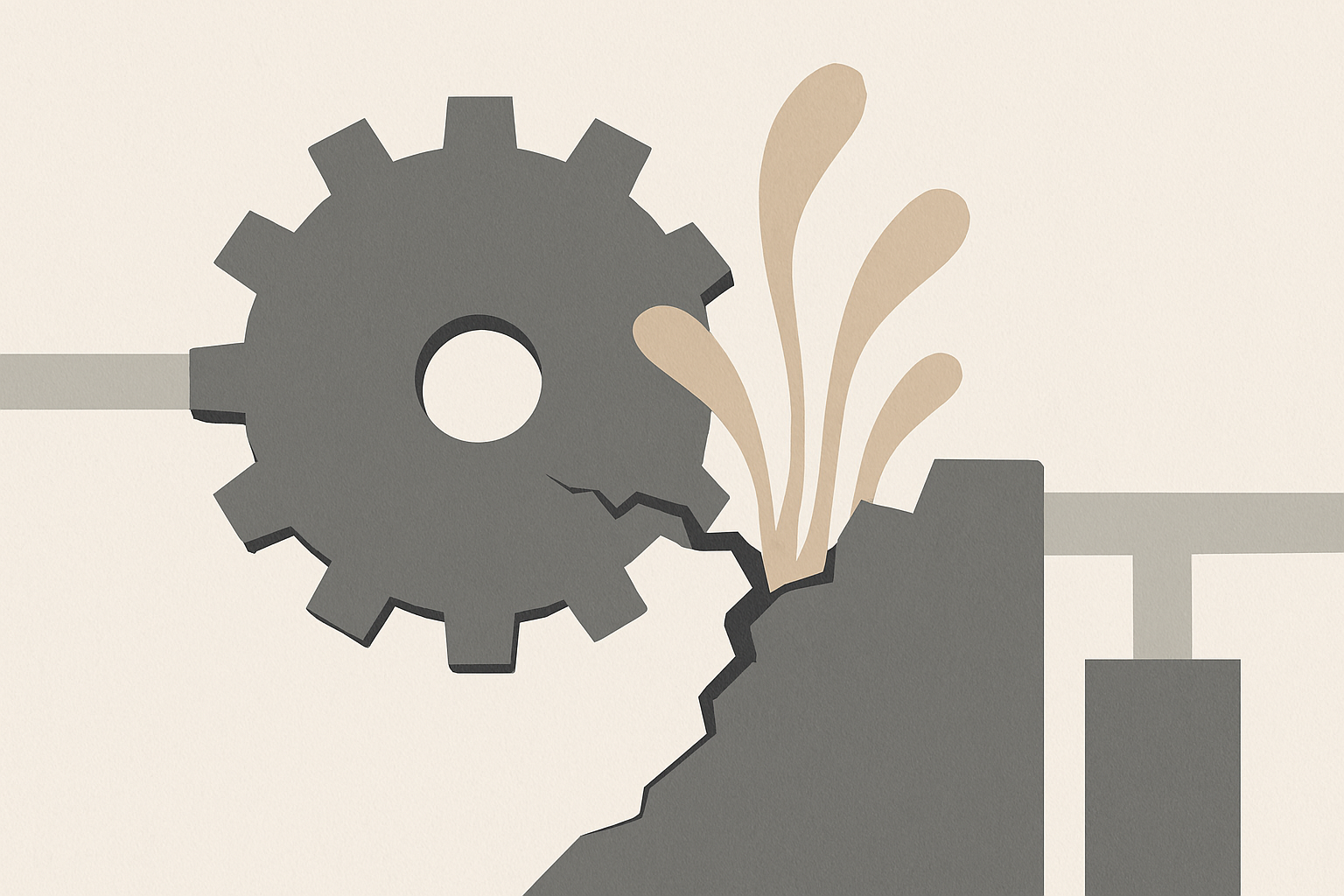
Real life introduces variability: illness, poor sleep, stress spikes, social obligations, cognitive overload. Rigid systems lack mechanisms to absorb these fluctuations.
The Cost of Ignoring Recovery
Recovery is often treated as optional or passive.
In reality, recovery is an active constraint.
Systems that do not account for recovery:
- Accumulate fatigue
- Increase cognitive resistance
- Trigger avoidance behaviors
What looks like laziness is often accumulated overload.
When Consistency Becomes a Liability
Popular ideas like “never break the chain” assume that consistency itself is always beneficial.
But consistency without modulation erodes capacity.
When maintaining the system becomes more costly than abandoning it, collapse is inevitable.
Adaptive Systems: Designed for Human Variability
Sustainable systems do not aim for maximum output.
They aim for continuity.
Adaptive systems are built with the expectation that:
- Energy will fluctuate
- Capacity will decline temporarily
- Life will interfere
Built-in Flexibility Is Not Weakness
Flexibility does not mean lack of structure.
It means variable intensity.
Adaptive systems allow:
- Reduced effort on low-capacity days
- Temporary simplification
- Recovery without guilt
Instead of collapsing under strain, they contract — and expand again when capacity returns.
Systems Across Time: Aging, Stress, and Context
Systems that work at one stage of life often fail later — not because they were wrong, but because the context changed.
Age, cumulative stress, and hormonal shifts alter energy availability and recovery speed.
Why Systems That Worked at 25 Fail at 40
Many men experience subtle but meaningful changes in energy, sleep quality, and resilience as they age.
When systems are not adjusted, the same expectations become unsustainable.
This transition is explored in Andropause: Understanding Male Aging, Hormonal Changes, and Modern Health Perspectives, which examines how biological changes influence long-term consistency.
Systems must evolve with the human operating them.
Designing Systems That Respect Human Limits
Sustainable systems are not built around rules, but principles.
They prioritize:
- Observation before optimization
- Capacity-aware planning
- Gradual adjustment
Systems as Support, Not Control
A good system reduces friction.
A bad system increases self-surveillance.
When systems become tools of control, they amplify self-criticism and suppress adaptability.
The Long-Term Cost of Ignoring Biology in System Design
When systems repeatedly fail, people internalize the failure.
This leads to:
- Chronic self-blame
- Cycles of restart and abandonment
- Identity-level frustration
Reframing Failure as System Misalignment
Failure is rarely a lack of character.
More often, it is a mismatch between system demands and biological reality.
Understanding this reframes behavior change from moral struggle to structural alignment.
Conclusion — Sustainable Systems Start With Understanding
Systems should serve humans — not the other way around.
When designed with energy, biology, and human limits in mind, systems become supportive structures rather than sources of pressure.
Understanding behavior objectively is not an excuse for inaction.
It is the foundation for sustainable progress.
This is the perspective that guides Objective Habits — clarity before change, systems built for humans, not ideals.