Understanding Habits, Energy, and Human Behavior — Beyond Motivation
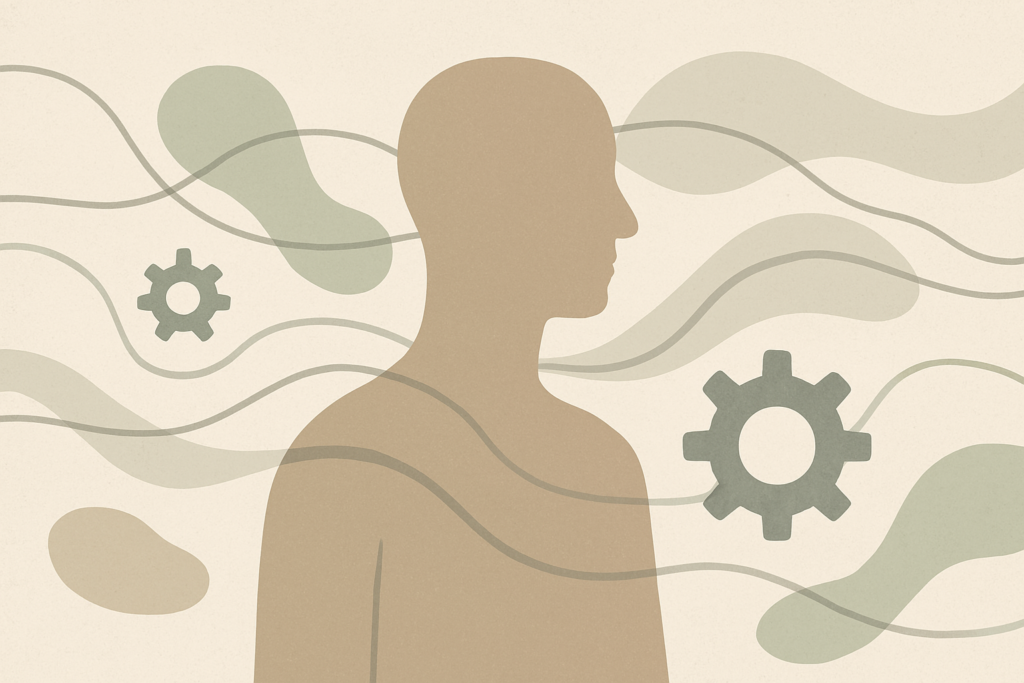
Objective Habits is an independent editorial platform dedicated to examining how habits, biological systems, and behavioral patterns interact over time. Rather than promoting discipline, optimization, or motivational shortcuts, this project focuses on the underlying mechanisms that sustain — or quietly undermine — consistent behavior in real life.
Most discussions around habits assume that success is primarily a matter of effort, discipline, or personal willpower. When routines fail, the explanation is often framed as a lack of commitment or motivation. Objective Habits challenges this assumption.
Human behavior is not driven by discipline alone. It is shaped by fluctuating energy levels, biological constraints, cognitive load, environmental design, stress, recovery, and context. When these variables are ignored, even well-designed routines collapse — not because people are weak, but because the system itself is misaligned with human limits.
Through behavioral analysis, systems thinking, and practical frameworks, Objective Habits explores how habits form, why they fail, and how they adapt across different life stages and conditions. Particular attention is given to the role of energy — physical, cognitive, and hormonal — as a foundational variable that precedes consistency, focus, and performance.
Rather than prescribing rigid routines or universal solutions, the content aims to clarify patterns. Articles focus on understanding why certain approaches work temporarily, why others lead to burnout or stagnation, and how systems can be adjusted to better reflect how humans actually function.
This includes applied perspectives on men’s health, where energy regulation, recovery, blood flow, stress, and lifestyle factors play a central role in behavior, mood, and long-term performance — often overlooked in mainstream productivity and habit advice.
Objective Habits does not offer promises, transformations, or quick fixes. It exists to provide clarity, context, and grounded insight — helping readers make informed, sustainable decisions without self-blame or motivational pressure.
Progress begins with understanding.
And understanding behavior objectively often changes what progress looks like..
- The Hidden Cost of Cognitive Load — Why Better Systems Protect Energy, Not Motivation
 Introduction Most systems fail quietly. Not because they are poorly designed, but because they demand more cognitive effort than the human system can sustainably provide….
 - Why Most Systems Collapse Under Stress — And How to Build Ones That Survive Real Life
 Introduction: Consistency Is Not the Real Problem Most people don’t fail because they lack discipline.They fail because the systems they follow were never designed for…
 - Why Willpower Fails When Biological Systems Are Ignored
 Willpower is often treated as a universal solution.When habits fail, routines collapse, or consistency fades, the explanation is usually the same: not enough discipline. This…
 - Why Systems Fail When They Ignore Energy, Biology, and Human Limits
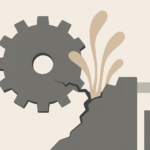 Introduction — The Problem With “Perfect Systems” Modern advice around habits, productivity, and self-improvement often revolves around systems. Morning routines, optimization frameworks, productivity stacks, habit…
 - How Blood Flow, Hormones, and Energy Are Connected in Men’s Health
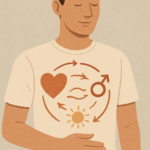 Introduction Many men experience a gradual decline in daily energy, focus, and physical vitality long before any medical diagnosis appears. These changes are often treated…
Selected articles examining how habits, systems, and energy operate under real-life constraints.