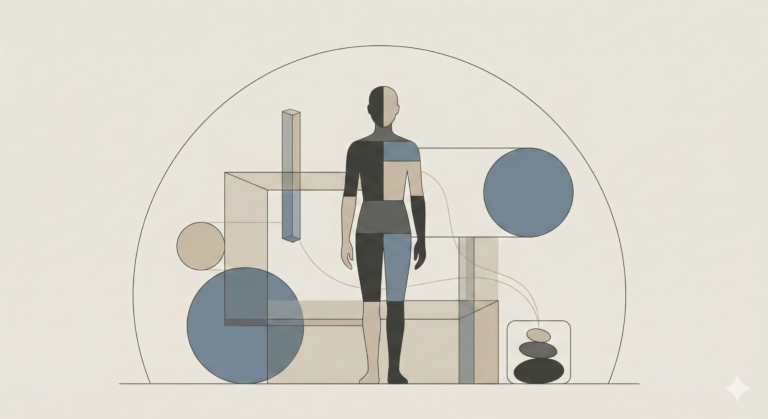
Why Most Systems Collapse Under Stress — And How to Build Ones That Survive Real Life
Introduction: Consistency Is Not the Real Problem
Most people don’t fail because they lack discipline.
They fail because the systems they follow were never designed for real life.
Most habit frameworks work only under ideal conditions:
- enough sleep
- stable energy
- low stress
- uninterrupted routines
But life is not a controlled environment. Stress, fatigue, illness, hormonal shifts, and cognitive overload are not exceptions — they are the norm.
When systems collapse under pressure, people assume the problem is personal.
In reality, the system was fragile from the start.
The Hidden Weakness of Most Habit Systems
Most habit advice is built on a silent assumption:
that effort and energy are always available.
This leads to systems that:
- require high motivation
- demand daily precision
- break after one missed action
- punish inconsistency instead of absorbing it
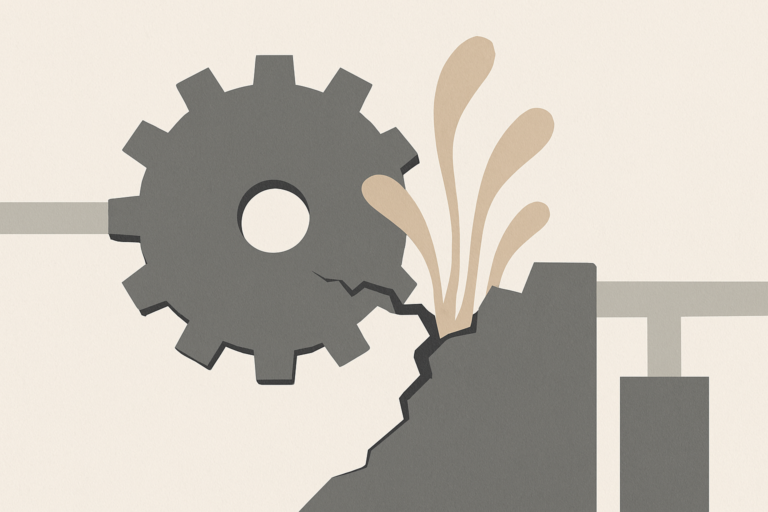
These systems function during “good weeks” and collapse the moment stress appears.
The issue is not that people stop trying — it’s that the system cannot tolerate variability.
Stress Is the Ultimate System Test
Stress reveals what a system is actually made of.
Under pressure:
- decision fatigue increases
- recovery capacity drops
- emotional regulation weakens
- cognitive load rises
A fragile system reacts to stress by asking for more discipline.
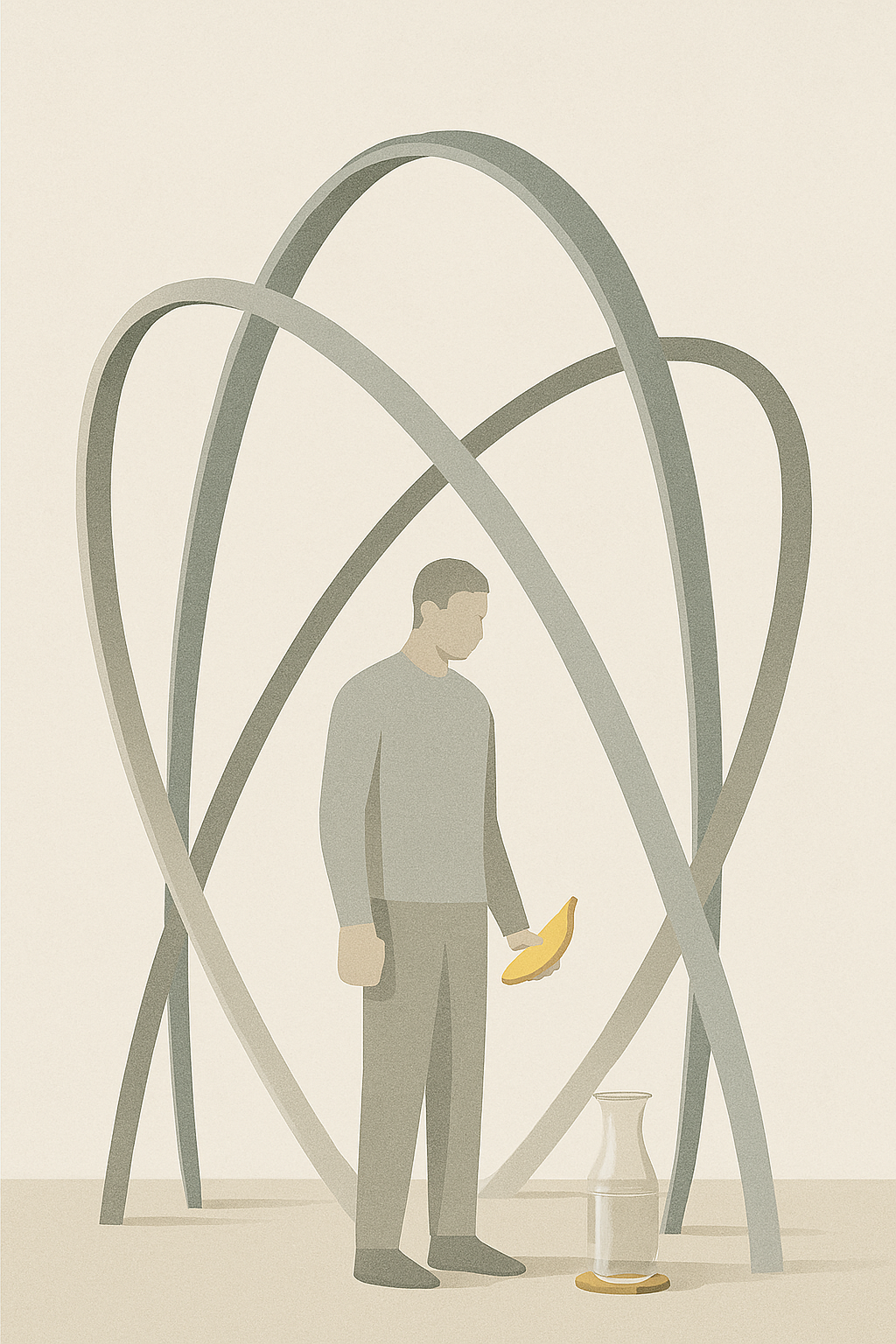
A resilient system reacts by reducing demands.
This difference determines whether habits survive or disappear.
Energy Is the Hidden Variable in Every System
Energy is often discussed as motivation or mindset.
In practice, it is capacity.
Energy determines:
- how much effort feels tolerable
- how much friction can be absorbed
- how many decisions can be sustained
Energy is not constant. It varies daily, seasonally, hormonally, and across life stages.
Ignoring this fact forces systems to rely on discipline as a compensatory mechanism — asking willpower to override biology.
This is why many people experience chronic exhaustion while “doing everything right.” The system demands output without accounting for capacity.
This dynamic is explored in depth in Why Modern Men Feel Chronically Low on Energy — And Why Discipline Isn’t the Problem, where low energy is shown to be a structural constraint, not a moral one.
Biological Reality vs Idealized Routines
Many routines fail because they are designed in abstraction.
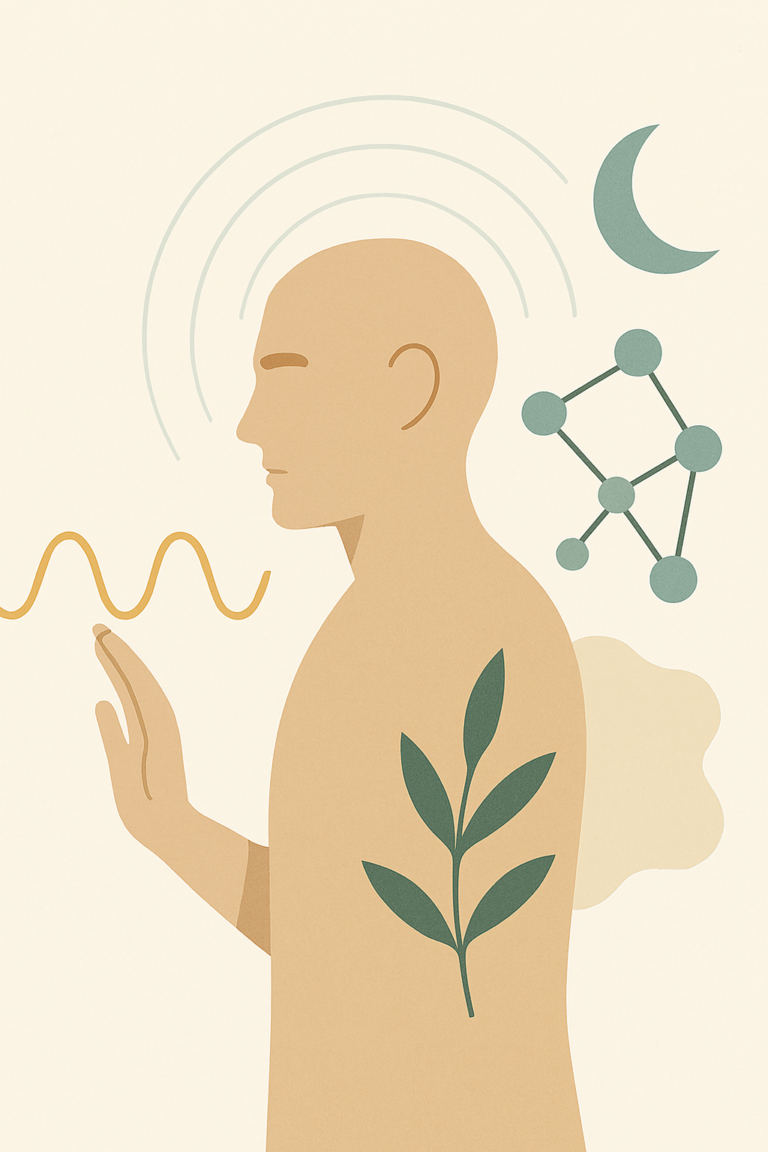
Human behavior operates within biological limits:
- hormonal fluctuations affect focus and drive
- circulation and sleep quality affect recovery
- stress physiology alters decision-making
The biological foundations behind these limits are explored in The Connection Between Blood Flow, Hormones, and Energy in Men’s Health, which examines how circulation and hormonal balance shape daily energy capacity.
When systems ignore these realities, consistency becomes fragile.
Research and health-focused frameworks increasingly point to the same conclusion:
biological capacity defines behavioral limits, not the other way around.
This perspective is expanded in evidence-informed discussions about energy regulation, recovery, and systemic health, such as those explored on Vettrina, where biological foundations are treated as prerequisites for sustainable habits rather than obstacles to overcome.
Routines vs Systems: A Structural Difference
A routine is a sequence.
A system is a structure.
Routines
- fixed order
- dependent on perfect execution
- break after interruptions
Systems
- adaptable
- absorb missed actions
- function at multiple energy levels
Routines assume consistency.
Systems are built around variability.
Designing Systems for Low-Energy Days
Resilient systems are designed from the bottom up, not the top down.
Key principles:
1. Minimum Viable Baseline
Define the smallest version of the behavior that still counts.
2. Energy-Scaled Output
Allow actions to expand or contract based on available capacity.
3. Friction Reduction
Reduce decisions, setup time, and environmental resistance.
4. Recovery Embedded
Rest is part of the system, not a failure state.
Well-designed systems reduce friction instead of demanding discipline — a principle explored across multiple Objective Habits frameworks.
Why Self-Blame Persists When Systems Fail
When systems collapse, people internalize the failure.
This creates:
- guilt cycles
- all-or-nothing thinking
- repeated resets
- burnout disguised as “lack of motivation”
But blaming the individual obscures the real issue:
the system was never stress-tolerant.
Understanding behavior objectively shifts the focus from self-criticism to structural redesign.
Final Thought: Systems That Survive Don’t Require Heroic Effort
Sustainable habits are not built on intensity.
They are built on tolerance.
A system that only works when everything goes right is not a system — it’s a gamble.
Resilient systems:
- accept fluctuation
- respect biological limits
- function during bad days
- reduce the need for self-control
Progress doesn’t start with trying harder.
It starts with designing better systems.