Why Modern Men Feel Chronically Low on Energy — And Why Discipline Isn’t the Problem
For years, men have been told the same story:
Wake up earlier. Push harder. Stay disciplined. Stop making excuses.
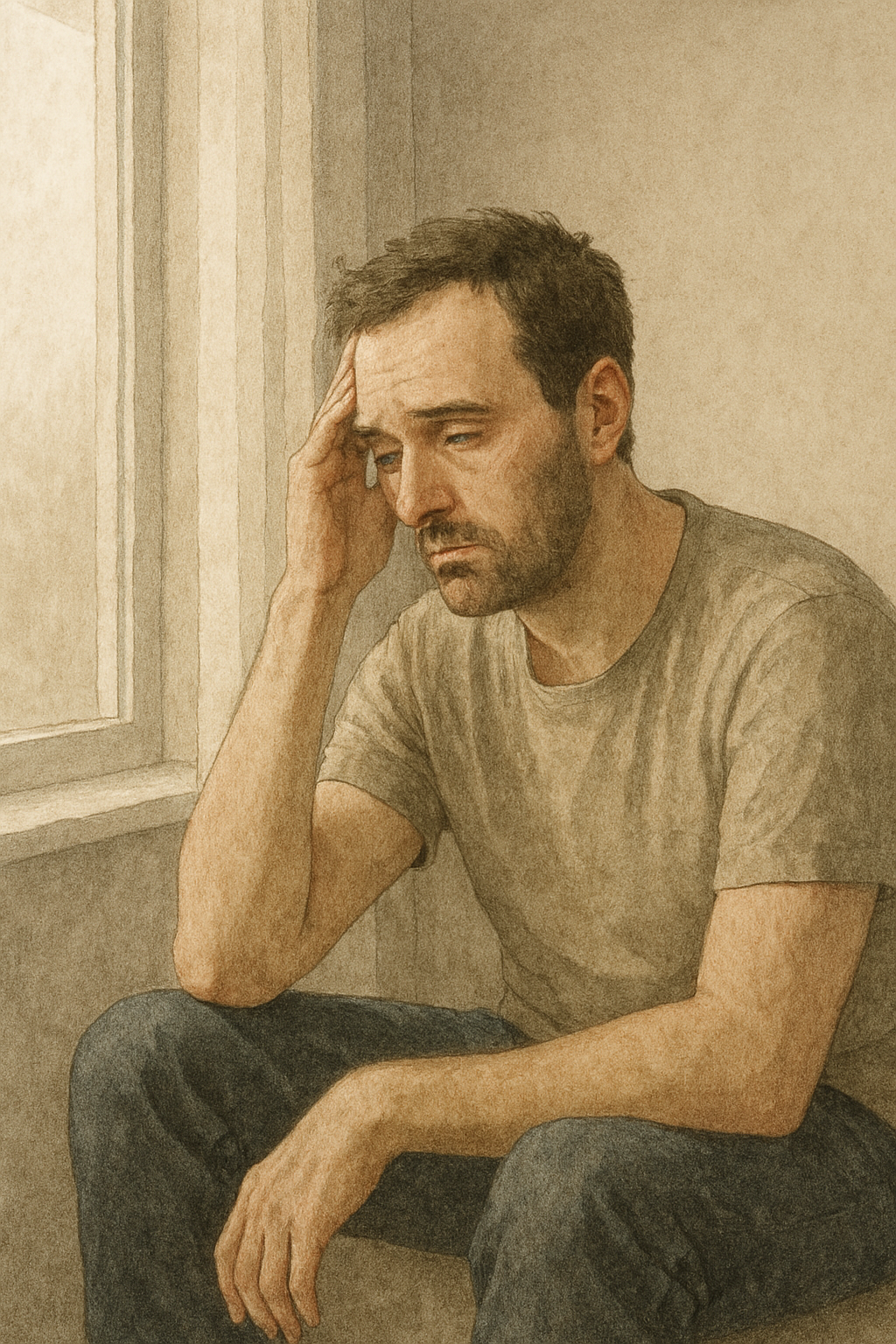
Yet many men who genuinely try to follow this advice still feel stuck — mentally drained, inconsistent, and frustrated by their lack of sustained energy.
The uncomfortable truth is this:
Low energy is rarely a character flaw.
In most cases, it’s a systems problem — biological, psychological, and lifestyle-related — not a lack of willpower.
The Modern Energy Collapse No One Talks About
Energy used to fluctuate naturally with seasons, workload, and recovery. Today, many men experience persistent low energy regardless of sleep hours or motivation.
This isn’t accidental.
Modern life quietly drains energy through:
- Chronic psychological stress
- Irregular sleep cycles
- Sedentary routines mixed with long sitting hours
- Constant cognitive stimulation (screens, alerts, decision overload)
- Poor circulation caused by inactivity and stress
None of these issues are solved by “trying harder.”
Why Discipline Fails When Energy Is Depleted
Discipline is often praised as the ultimate solution. But discipline is not a fuel source.
It’s a control mechanism.
When energy is low:
- Focus declines
- Motivation becomes unstable
- Decision-making suffers
- Consistency breaks down
Men then blame themselves:
“I’m lazy.”
“I lack consistency.”
“I need a better system.”
In reality, the system is trying to operate on empty.
Energy Is Biological Before It’s Mental
Mental drive depends heavily on physical conditions.
Key contributors to daily energy include:
Circulation
Healthy blood flow supports oxygen delivery, cognitive clarity, and physical vitality. Prolonged sitting, stress, and inactivity can reduce circulation efficiency over time.
Hormonal Balance
Sleep quality, stress exposure, nutrition, and physical activity all influence hormones associated with energy, mood, and motivation.
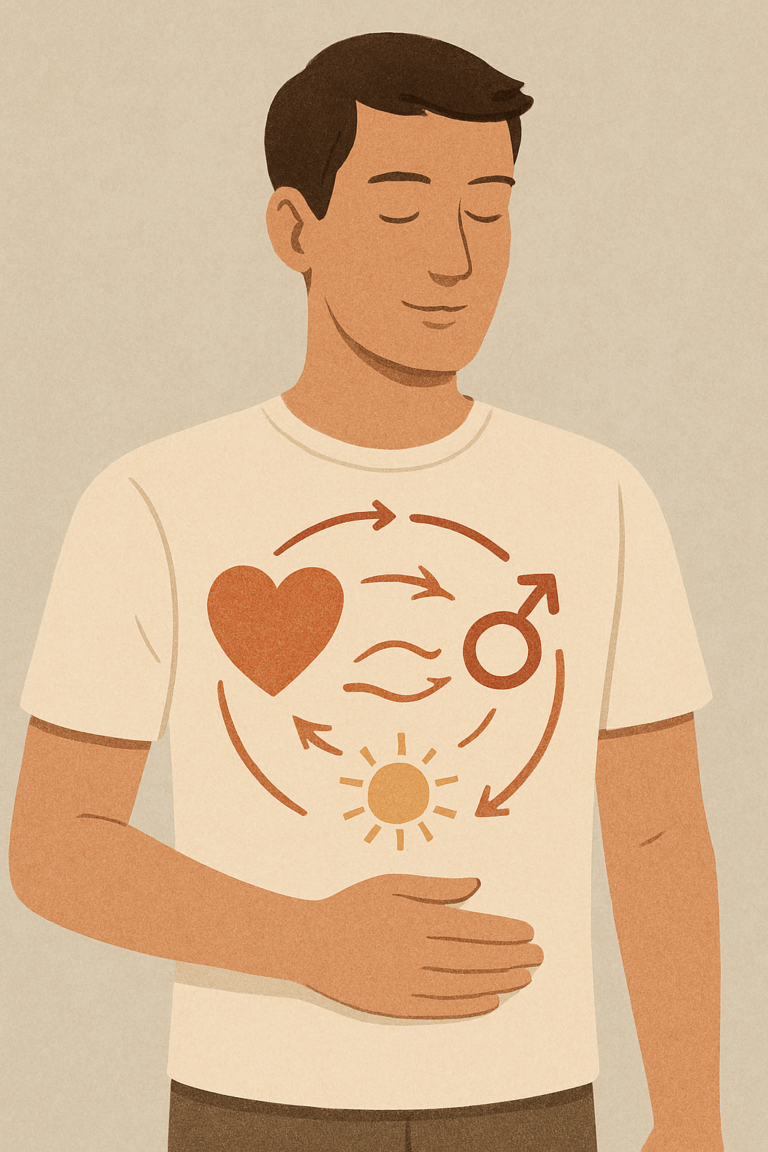
These same biological systems are also closely connected to male sexual health. In some cases, persistent low energy, circulation issues, or hormonal imbalances may overlap with challenges related to erectile function.
👉 Read more about contributing factors and lifestyle influences on erectile health.
Nervous System Load
Constant alerts, multitasking, and performance pressure keep the nervous system in a near-permanent alert state, reducing recovery.
Recovery Deficit
Many men work, train, and consume content without adequate downtime. Over time, recovery debt accumulates — even if sleep duration seems “acceptable.”
Energy problems often emerge before medical conditions appear, which is why they’re easy to dismiss or mislabel as motivational issues.
Why Productivity Advice Often Makes Things Worse
Most productivity systems assume energy is stable.
They focus on:
- Time blocks
- Task lists
- Routines
- Output optimization
But when energy fluctuates, rigid systems increase pressure and self-blame.
This creates a cycle:
Low energy → Poor performance → Guilt → More force → Deeper fatigue
Breaking this cycle requires addressing energy first, not adding more structure.
A Different Way to Think About Energy
Sustainable energy isn’t created by hacks or extreme routines.
It’s supported by:
- Consistent sleep patterns
- Regular physical movement
- Stress regulation
- Nutrient-dense eating
- Habits that support circulation and recovery
Some men also explore non-prescription ways to support daily energy and circulation as part of a broader wellness approach — alongside lifestyle improvements and professional guidance.
The Real Shift: From Self-Blame to System Awareness
When men understand that low energy is often systemic, not personal, something changes:
- Guilt decreases
- Pressure eases
- Better decisions follow
Energy becomes something to support, not something to force.
That shift alone often restores consistency more effectively than any productivity framework.
Medical Disclaimer
This article is for informational purposes only and does not provide medical advice. Always consult a qualified healthcare professional regarding health, energy, or wellness concerns.
© 2026 Last Pieces Blog — Health & Wellness Insights