How Blood Flow, Hormones, and Energy Are Connected in Men’s Health
Introduction
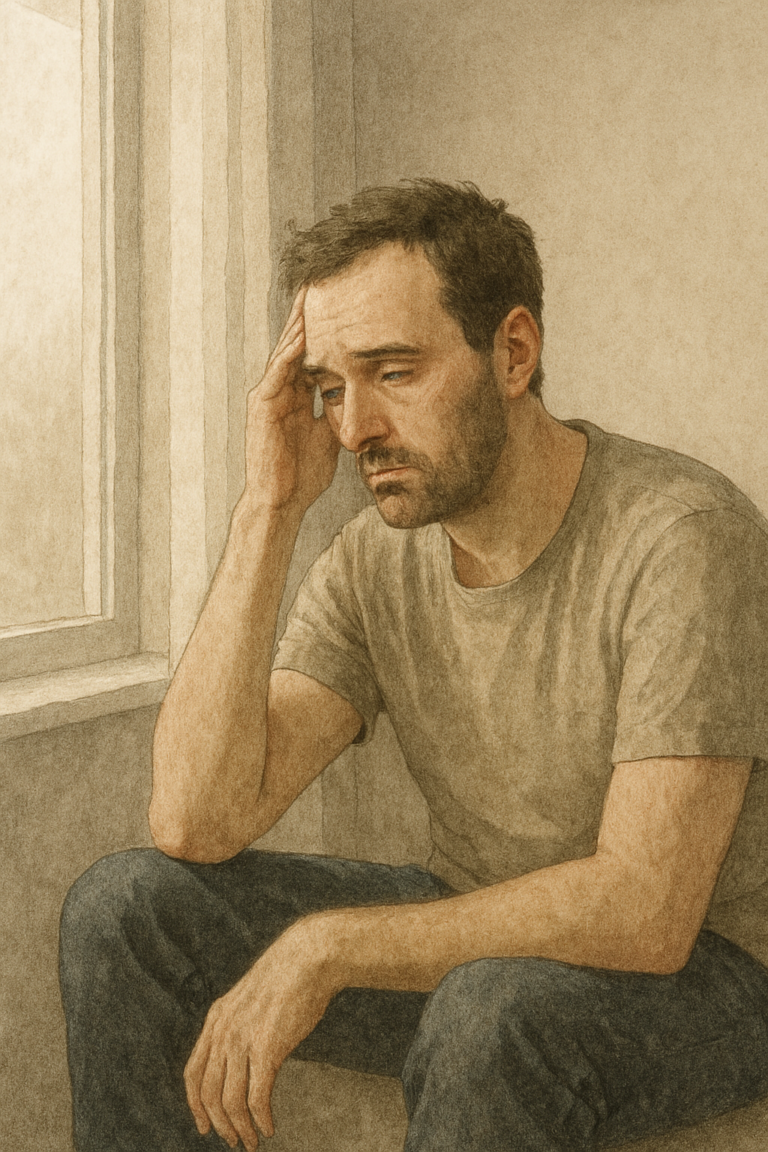
Many men experience a gradual decline in daily energy, focus, and physical vitality long before any medical diagnosis appears. These changes are often treated as isolated problems — low motivation, poor sleep, stress, or aging — but in reality, they are frequently connected.
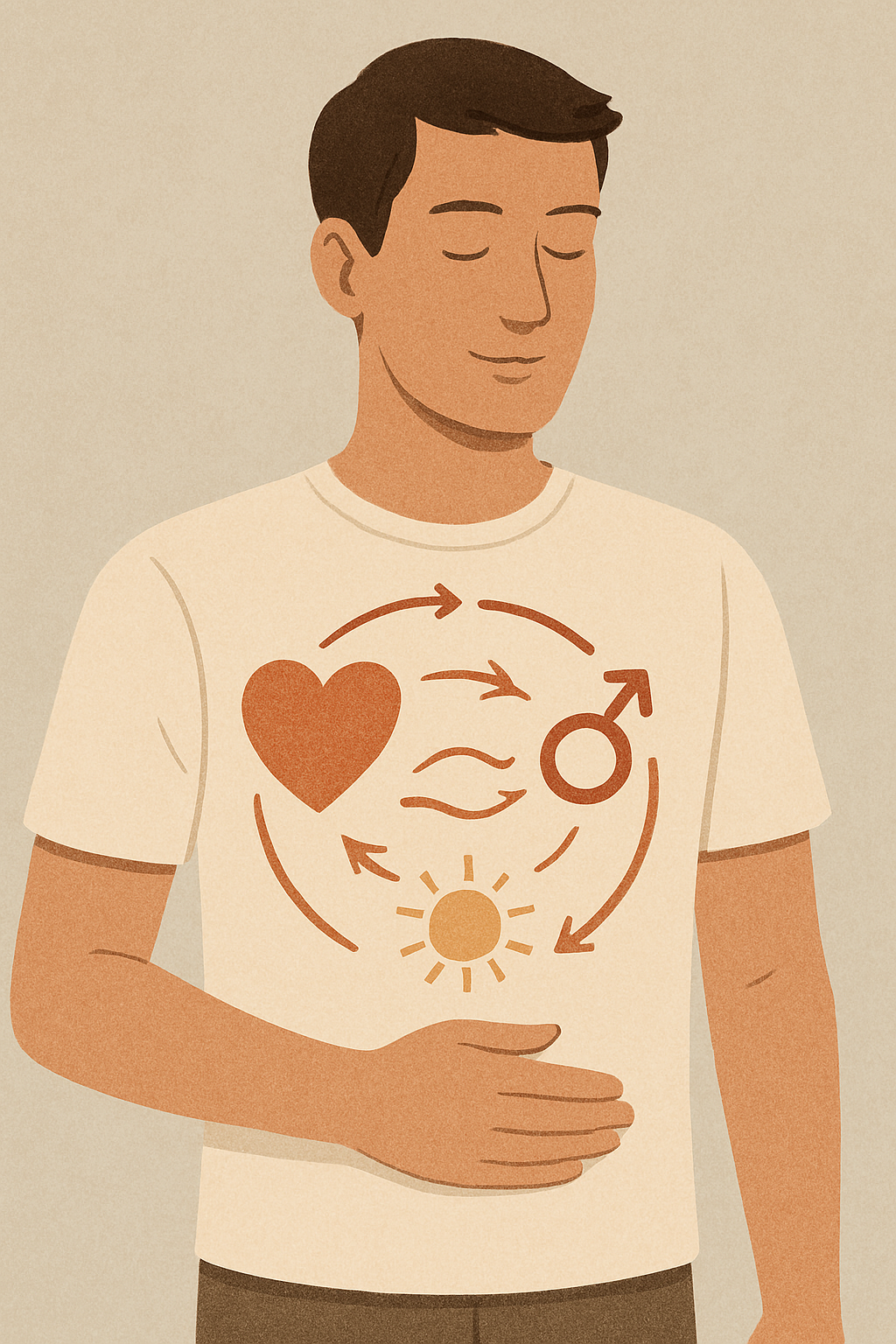
Blood flow, hormonal balance, and energy levels are deeply interrelated systems. When one is affected, the others often follow. Understanding how these systems interact can help explain why symptoms such as fatigue, reduced performance, and sexual health concerns tend to appear together.
This article provides an informational overview of how circulation, hormones, and energy intersect in men’s health — without promoting treatments or medical solutions.
Why Blood Flow Is Central to Men’s Energy Levels
Healthy blood circulation plays a fundamental role in nearly every aspect of physical and cognitive performance.
Blood flow is responsible for delivering:
- Oxygen to muscles and organs
- Nutrients that support cellular energy
- Hormonal signals throughout the body
When circulation efficiency declines, men may notice:
- Persistent fatigue
- Reduced mental clarity
- Lower physical endurance
Modern lifestyle factors — prolonged sitting, chronic stress, limited physical movement — can gradually impair circulation without causing immediate, obvious symptoms.
Healthy blood flow plays a foundational role in daily energy levels, mental clarity, and physical vitality. When circulation is compromised — often due to prolonged sitting, stress, or lack of movement — oxygen and nutrients are delivered less efficiently throughout the body. Over time, this can contribute to persistent fatigue that is frequently misunderstood as a motivation or discipline issue. Some readers choose to explore deeper discussions on how modern lifestyle patterns influence energy regulation and daily performance through an objective analysis of why many men feel chronically low on energy.
Hormones and Their Role in Vitality and Motivation
Hormones act as chemical messengers that influence energy, mood, motivation, and physical function. In men, several hormonal systems are closely tied to daily vitality.
Key influences include:
- Sleep quality and recovery
- Stress exposure
- Nutrition and physical activity
- Nervous system balance
Hormonal fluctuations do not occur in isolation. Reduced circulation can affect how efficiently hormones are delivered and utilized, while chronic stress can disrupt hormonal signaling altogether.
These changes are often subtle at first and may be mistaken for lack of discipline or motivation rather than biological strain.
How Blood Flow and Hormonal Balance Intersect
Blood flow and hormonal balance function as a feedback loop:
- Efficient circulation supports hormone transport and tissue responsiveness
- Hormonal imbalances can affect vascular tone and blood vessel health
When this loop is disrupted, men may experience overlapping symptoms such as:
- Low daily energy
- Mood instability
- Reduced physical performance
- Changes in sexual function
This explains why energy issues and sexual health concerns often emerge around the same periods of life.
Circulation and hormonal balance are closely interconnected systems that influence multiple aspects of male health, including sexual function. Changes in blood flow efficiency, stress exposure, sleep quality, and metabolic health can all interact in ways that affect erectile response over time. Rather than viewing these challenges in isolation, some readers prefer a broader understanding of the common lifestyle and physiological factors associated with erectile dysfunction, especially when symptoms develop gradually.
Lifestyle Factors That Influence Circulation and Hormonal Health
While genetics and age play a role, daily habits significantly influence circulation and hormonal stability.
Common contributing factors include:
- Sedentary routines
- Poor sleep consistency
- Chronic psychological stress
- Limited recovery time
- Nutrient-poor diets
Small, sustained lifestyle changes often support overall wellness by reducing systemic strain — even if they do not directly “fix” specific symptoms.
Importantly, outcomes vary between individuals, and lifestyle adjustments should be viewed as supportive rather than curative.
When Energy Declines Appear Before Sexual Symptoms
For many men, reduced energy and focus appear before noticeable sexual health changes. This progression is common because energy systems are often the first to show signs of imbalance.
By the time sexual symptoms arise, underlying issues related to circulation, hormones, or nervous system overload may already be present.
Understanding this sequence helps explain why addressing energy and overall wellness is often discussed alongside men’s sexual health — not as treatment, but as contextual education.
Informational Note on Wellness-Oriented Approaches
Some men choose to explore non-prescription, informational resources related to daily circulation and male wellness as part of a broader lifestyle-focused approach.
These resources are not intended to diagnose, treat, or cure any condition, and they should never replace professional medical guidance.
In addition to lifestyle adjustments, some men explore non-prescription, wellness-oriented resources that are commonly discussed in relation to circulation, daily energy, and overall male vitality. These resources are typically considered within a broader routine that includes nutrition, physical activity, stress management, and professional guidance when appropriate. Readers seeking neutral, independent information about supporting daily circulation and male wellness may choose to review publicly available product information for context.
Final Thoughts
Blood flow, hormones, and energy are interconnected systems that influence how men feel and function daily. When one area is strained, others often reflect that imbalance.
Understanding these relationships can reduce self-blame, encourage informed decisions, and promote a more realistic view of men’s health — one focused on systems, not shortcuts.
Medical Disclaimer
This article is for informational purposes only and does not provide medical advice, diagnosis, or treatment. Always consult a qualified healthcare professional regarding health, hormonal concerns, circulation issues, or sexual health.