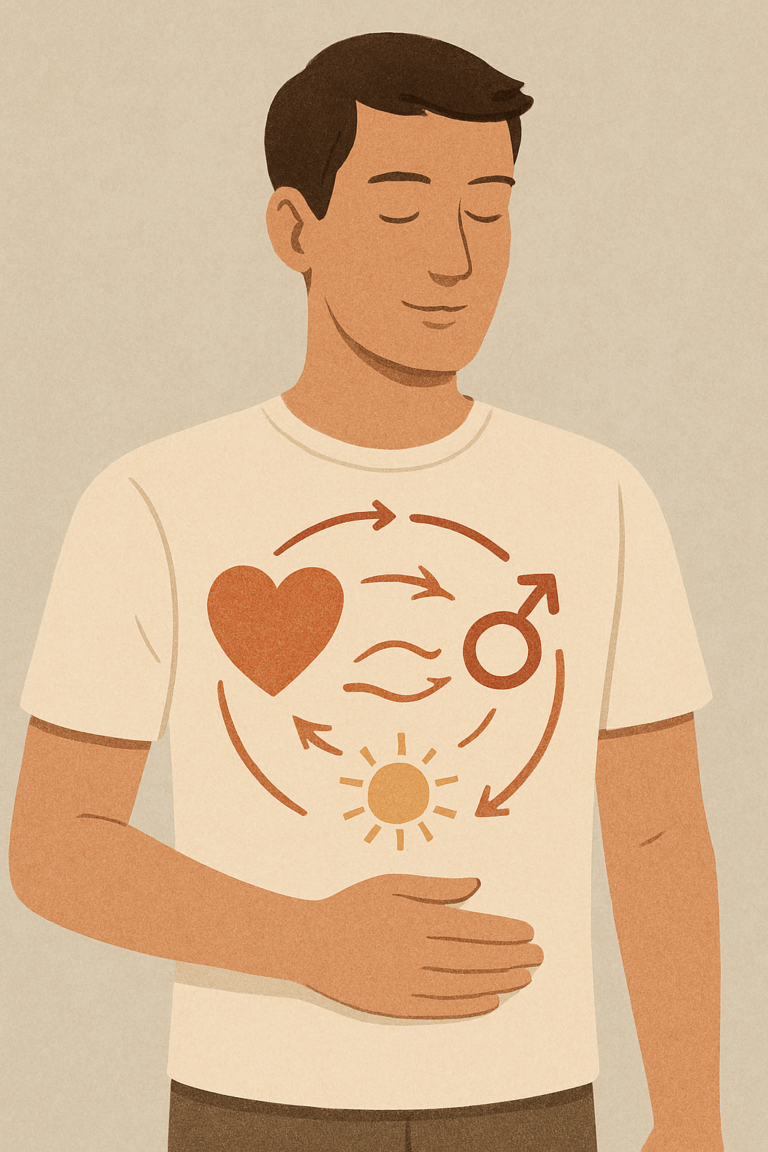
Andropause: Understanding Male Aging, Hormonal Changes, and Modern Health Perspectives
Introduction
As men age, changes in energy levels, mood, physical performance, and overall vitality are often dismissed as “normal aging.” Yet, over the past decades, a growing body of medical and scientific discussion has focused on a phenomenon commonly referred to as andropause.
Unlike menopause, which involves a relatively abrupt hormonal shift in women, andropause describes a gradual and highly individual process. It is not universally experienced, nor does it follow a single clinical pattern. Still, many men report overlapping symptoms that raise important questions about hormones, lifestyle, and long-term health.
This article provides an independent, informational overview of andropause — what it is, how it is commonly discussed in medical contexts, and why it should be understood as a complex interaction between biology, behavior, and environment rather than a single condition with a simple solution.
What Is Andropause?
Andropause is a non-clinical term often used to describe age-related hormonal changes in men, particularly involving testosterone. In medical literature, it may also be referred to as:
- Late-onset hypogonadism
- Age-related testosterone decline
- Male hormonal aging
Unlike menopause, andropause:
- Does not affect all men
- Occurs gradually over many years
- Varies significantly in symptoms and severity
Testosterone levels tend to decline slowly with age, but this decline is not linear, nor does it automatically result in symptoms.
Commonly Reported Symptoms
Men who explore the topic of andropause often report a combination of physical, mental, and emotional changes. These may include:
- Persistent low energy or fatigue
- Reduced motivation or drive
- Changes in mood or irritability
- Decreased muscle mass or strength
- Increased body fat, particularly abdominal fat
- Lower libido or changes in sexual interest
- Sleep disturbances
It is important to note that none of these symptoms are specific to andropause alone. They frequently overlap with stress, poor sleep, nutritional deficiencies, sedentary behavior, or chronic workload.
Chronic low energy in men is often dismissed as a lack of discipline or motivation. However, modern behavioral and physiological research suggests that energy regulation is influenced by hormonal balance, lifestyle patterns, and systemic stress — not willpower alone.
For a deeper breakdown of these underlying factors, see Why Modern Men Feel Chronically Low on Energy — And Why Discipline Isn’t the Problem.
Hormonal Changes in Male Aging
Testosterone Dynamics
Testosterone exists in multiple forms:
- Total testosterone
- Free testosterone
- Testosterone bound to SHBG (sex hormone–binding globulin)
As men age:
- Total testosterone may decline slowly
- SHBG levels may increase
- Free testosterone may decline more noticeably
These shifts can influence energy, muscle maintenance, mood regulation, and metabolic processes.
Other Hormones Involved
Andropause-related discussions often include:
- Cortisol (stress hormone)
- Insulin
- Thyroid hormones
- DHEA
This highlights an important point: male aging is rarely about one hormone alone.
Psychological and Behavioral Dimensions
A frequently overlooked aspect of andropause is the psychological and behavioral context in which symptoms emerge.
Modern men often face:
- Chronic mental overload
- Long work hours with little recovery
- Poor sleep consistency
- High cognitive demand with low physical activity
Low energy, in this context, may reflect systemic burnout rather than hormonal failure. Research increasingly suggests that lifestyle stressors can amplify or even mimic symptoms commonly attributed to testosterone decline.
Medical Perspectives and Evaluation
From a medical standpoint, andropause is not diagnosed based on symptoms alone.
Healthcare professionals may consider:
- Blood tests conducted over time
- Symptom patterns
- Overall health markers
- Lifestyle and mental health factors
Clinical guidelines emphasize caution, as testosterone levels naturally fluctuate and single measurements may be misleading.
Medications Commonly Discussed
Testosterone Replacement Therapy (TRT)
TRT is often mentioned in discussions about andropause. It involves medically supervised testosTRT is often mentioned in discussions about andropause, particularly when symptoms are persistent and clinically significant. In these cases, medical testosterone therapy may be evaluated under appropriate supervision.
This approach involves medically supervised testosterone administration and is typically considered only in specific clinical contexts following a thorough diagnostic assessment.
Medical literature frequently emphasizes:
- The need for careful monitoring
- Potential risks and side effects
- Individualized decision-making
A formal clinical TRT evaluation helps determine whether hormone therapy is appropriate or whether symptoms may be better addressed through other medical or lifestyle interventions.
TRT is not a universal solution and remains a topic of ongoing research and debate.
Supplements Often Mentioned in Public Discussions
Various supplements are commonly discussed in relation to male aging and hormonal health, including:
- Zinc
- Vitamin D
- Magnesium
- Herbal extracts such as fenugreek or maca
While some studies explore their role in general health, evidence regarding direct hormonal impact remains inconsistent. These supplements are best understood as part of broader wellness discussions rather than targeted interventions.
What Supplements Are Not
It is essential to clarify that supplements:
- Do not diagnose conditions
- Do not replace medical evaluation
- Do not address underlying behavioral or systemic causes
They are often discussed in the context of general nutritional support, not treatment.
Lifestyle, Systems, and Long-Term Health
Increasingly, experts highlight that sustained energy and vitality depend on systems, not isolated actions.
Key areas include:
- Sleep regularity and quality
- Resistance training and movement
- Stress management
- Nutritional consistency
- Structured routines
Rather than relying on motivation or discipline alone, building supportive daily systems may play a significant role in how men experience aging.
Conclusion
Andropause is best understood not as a single condition, but as a multifactorial process influenced by hormones, lifestyle, mental load, and environment.
For many men, addressing energy and vitality begins not with extreme interventions, but with a clearer understanding of how modern life interacts with biological aging.
Editorial Disclaimer
This article is intended for educational and informational purposes only. It does not provide medical advice, diagnosis, or treatment recommendations. Individuals with health concerns should consult qualified healthcare professionals.